
Key Takeaways
- Regular checkups and professional cleanings help identify dental issues early, making treatment simpler, less invasive, and more affordable.
- Consistent brushing, flossing, and healthy dietary habits work together with professional care to protect teeth and gums from decay and disease.
- Healthy gums are essential for maintaining strong, stable teeth and reducing the risk of tooth loss over time.
- Preventive dental visits can reveal early signs of broader health concerns, allowing for timely medical evaluation when necessary.
- Investing in preventive care can reduce the likelihood of costly restorative procedures and unexpected dental emergencies.
- Oral health needs change throughout life, making age-appropriate care and regular monitoring important from childhood through older adulthood.
- Building a long-term relationship with a trusted dental provider supports personalized care and better oral health outcomes over the years.
A healthy smile is about much more than appearance. Your teeth and gums play an essential role in speaking, eating, and maintaining overall health throughout your life. While many people only think about visiting the dentist when they experience pain or discomfort, consistent preventive care is one of the most effective ways to avoid serious oral health problems before they begin. Small issues such as plaque buildup, minor cavities, or early gum inflammation can often be treated quickly when identified early, preventing them from developing into more complex conditions.
Routine dental care forms the foundation of lifelong oral health. It combines daily hygiene habits at home with regular professional examinations and cleanings that help keep teeth, gums, and supporting structures in excellent condition. These preventive measures not only reduce the likelihood of expensive dental procedures but also contribute to improved confidence, comfort, and overall well-being.
Whether you are caring for a child’s first teeth, maintaining your own oral health as an adult, or protecting your smile later in life, developing consistent dental habits is one of the smartest investments you can make. Understanding how preventive care works and why it matters empowers you to make informed decisions that benefit your oral health for years to come.
What Makes Preventive Oral Care So Valuable?
Preventive oral care focuses on stopping dental problems before they become painful, complicated, or costly. Rather than waiting until cavities, gum disease, or tooth loss occur, preventive dentistry emphasizes regular maintenance that supports healthy teeth and gums throughout every stage of life.
Many dental conditions develop gradually without causing noticeable symptoms. A cavity may begin as a tiny area of enamel damage, while gum disease often starts with mild inflammation that is easy to overlook. Without professional monitoring, these conditions may continue progressing until significant treatment becomes necessary.
Routine preventive care provides dentists with opportunities to monitor changes, remove harmful plaque and tartar, and educate patients on better oral hygiene practices tailored to their individual needs.
Preventive care typically includes:
- Regular dental examinations
Dentists evaluate the health of your teeth, gums, jaw, bite, and surrounding tissues while checking for early signs of disease. - Professional dental cleanings
Hygienists remove hardened tartar and plaque that brushing and flossing alone cannot eliminate. - Oral cancer screenings
Early detection greatly improves treatment outcomes for oral cancers. - Diagnostic X-rays when appropriate
Images reveal hidden problems beneath the gumline or between teeth before symptoms appear. - Personalized oral hygiene recommendations
Patients receive guidance based on their unique oral health conditions and risk factors.
Preventive dentistry aims to preserve natural teeth for as long as possible while minimizing future complications.
How Does Consistent Dental Care Protect Your Teeth?
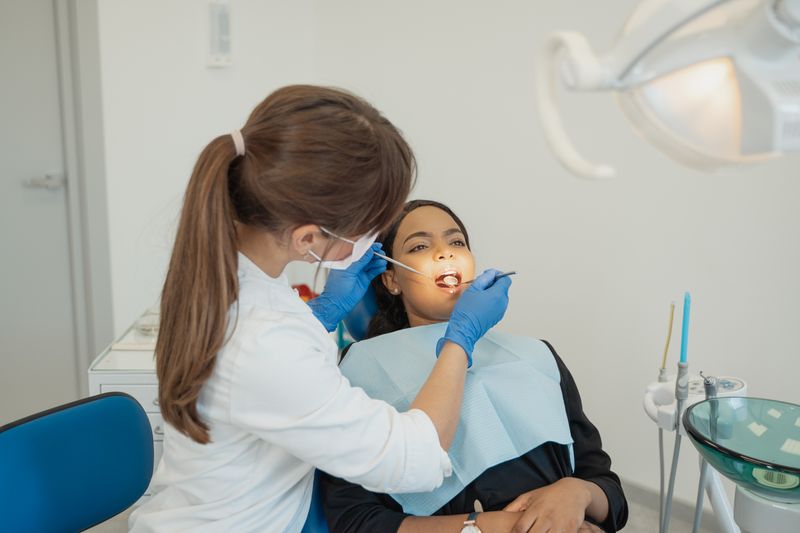
Healthy teeth are constantly exposed to food particles, bacteria, acids, and daily wear. Even with excellent brushing habits, some areas remain difficult to clean thoroughly.
Professional care works alongside home hygiene to create multiple layers of protection against oral disease. Every routine appointment helps maintain a healthier environment inside the mouth while allowing problems to be addressed before they become severe.
Benefits include:
Removal of Plaque Before It Hardens
Plaque forms continuously throughout the day. If not removed, it hardens into tartar, which cannot be eliminated using a toothbrush alone.
Professional cleanings remove these deposits before they contribute to decay or gum disease.
Early Cavity Detection
Small cavities can often be repaired with simple fillings.
Finding them early prevents infections that may later require crowns, root canal treatment, or extraction.
Stronger Tooth Enamel
Dentists may recommend fluoride treatments for patients with higher cavity risk.
Fluoride strengthens enamel and increases resistance to acid attacks caused by bacteria.
Better Bite Evaluation
Routine exams also identify bite problems that may contribute to tooth wear, jaw discomfort, or cracked teeth.
Addressing these issues early reduces long-term damage.
Why are Healthy Gums Just as Important as Healthy Teeth?
When people think about oral health, they often focus exclusively on their teeth. However, healthy gums provide the support that keeps teeth stable throughout life. Neglecting gum health can eventually lead to tooth mobility, bone loss, and even tooth loss despite otherwise healthy teeth.
Gum disease is one of the leading causes of adult tooth loss worldwide. Fortunately, it is also one of the most preventable conditions through consistent oral hygiene and professional care.
Common early warning signs include:
- Bleeding while brushing
- Persistent bad breath
- Swollen gums
- Redness
- Gum tenderness
- Gum recession
Many people assume bleeding gums are normal, but they usually indicate inflammation.
Professional treatment during early stages often reverses gingivitis before permanent damage occurs.
As gum disease progresses, bacteria spread below the gumline, affecting supporting bone structures and requiring more extensive treatment.
What Happens During a Regular Dental Appointment?
Many patients feel uncertain about routine appointments, especially if they have not visited a dentist for several years. Understanding what typically happens can reduce anxiety and encourage more consistent attendance.
A standard preventive visit is designed to evaluate your overall oral health, remove harmful buildup, and identify potential concerns before they worsen.
Most appointments include several important steps that work together to maintain a healthy mouth.
Medical and Dental History Review
Your dentist will ask about any recent changes in your health, medications, allergies, or symptoms that could affect your oral health or treatment planning.
Comprehensive Examination
The dentist checks your teeth, gums, tongue, cheeks, jaw joints, bite, and soft tissues for signs of disease, damage, or abnormalities.
Professional Cleaning
A dental hygienist removes plaque and hardened tartar from areas that daily brushing and flossing cannot effectively reach. Your teeth are then polished to help reduce surface stains and make it more difficult for plaque to accumulate.
X-Rays When Needed
Dental X-rays allow the dentist to detect hidden issues such as decay between teeth, bone loss, impacted teeth, or infections that are not visible during a visual examination.
Personalised Advice
Based on your oral health, the dental team may recommend changes to your brushing technique, flossing routine, diet, or other habits that can improve long-term outcomes.
How Do Daily Habits Support Professional Dental Care?
Professional dental visits are only one part of maintaining excellent oral health. The choices you make every day have a significant impact on the condition of your teeth and gums between appointments.
Developing consistent oral hygiene habits reduces plaque buildup, strengthens enamel, and lowers the risk of common dental diseases.
A comprehensive daily routine should include:
- Brush twice each day
Use fluoride toothpaste and brush for at least two minutes to remove plaque effectively. - Floss every day
Flossing reaches areas where toothbrush bristles cannot, helping prevent decay between teeth. - Clean your tongue
Removing bacteria from the tongue helps reduce bad breath and supports overall oral hygiene. - Drink plenty of water
Water helps rinse away food debris and encourages healthy saliva production. - Limit sugary foods and drinks
Frequent sugar exposure feeds harmful bacteria that produce acids capable of damaging enamel. - Replace your toothbrush regularly
Worn bristles clean less effectively and should generally be replaced every three to four months.
Consistency matters more than perfection. Small daily habits practiced over many years contribute significantly to lifelong oral health.
Can Routine Visits Help Identify Other Health Conditions?
Many people are surprised to learn that dentists can identify more than cavities and gum disease. During routine examinations, they may notice signs of medical conditions that affect the mouth or have oral symptoms.
The mouth often reflects changes occurring elsewhere in the body, making dental visits an important part of overall preventive healthcare.
Examples include:
- Vitamin deficiencies
- Diabetes-related gum changes
- Dry mouth caused by medications
- Sleep-related teeth grinding
- Acid erosion linked to digestive disorders
- Oral infections
- Early oral cancer
Dentists also evaluate jaw function, chewing patterns, and soft tissues that patients rarely examine themselves.
Early detection frequently leads to earlier medical evaluation and improved treatment outcomes.
How Does Preventive Care Save Money Over Time?
Some individuals postpone dental appointments because they believe routine care is expensive. In reality, preventive dentistry is often far more affordable than treating advanced dental disease.
Minor problems generally require simpler procedures that cost significantly less than extensive restorative treatments.
Consider the financial differences:
| Early Treatment | Advanced Treatment |
| Small filling | Root canal and crown |
| Professional cleaning | Deep gum therapy |
| Minor crack repair | Tooth extraction |
| Fluoride treatment | Dental implant |
| Preventive monitoring | Emergency treatment |
Preventive care also helps reduce unexpected dental emergencies that can disrupt work, travel, and daily activities.
Investing in regular appointments protects both your oral health and your long-term financial well-being.
How Does Dental Care Change Throughout Different Stages of Life?
Oral health needs evolve as people grow older, making regular dental visits important at every age. Preventive care adapts to changing risks, habits, and overall health conditions.
Children benefit from monitoring tooth development and learning healthy habits early. Teenagers may require additional care during orthodontic treatment, while adults often focus on preventing decay, gum disease, and tooth wear. Older adults may need extra attention for dry mouth, gum recession, or maintaining restorations.
At times, dentists may recommend modern dental treatments to restore function or address issues identified during routine examinations, helping preserve natural teeth and improve long-term oral health.
Regular evaluations ensure that preventive strategies remain appropriate for each stage of life.
Age-specific priorities include:
- Children: cavity prevention, fluoride, sealants, and growth monitoring.
- Teenagers: orthodontic care, wisdom teeth assessments, and sports mouthguards.
- Adults: gum health, fillings, crowns, and lifestyle-related concerns.
- Older adults: restoration maintenance, dry mouth management, and preserving remaining natural teeth.
Tailored care throughout life supports healthy smiles well into older age.
Why is Building a Long-Term Relationship With Your Dentist Beneficial?
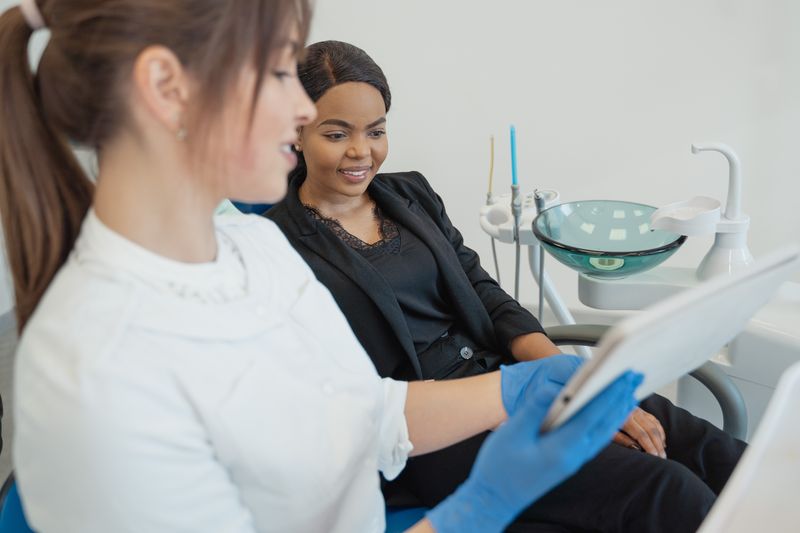
Seeing the same dental practice consistently allows your care team to become familiar with your oral health history, treatment records, and individual risk factors. This continuity makes it easier to detect subtle changes over time and recommend personalised preventive strategies.
Patients who attend regular appointments are also more likely to feel comfortable asking questions, discussing concerns, and understanding their treatment options. Open communication encourages better decision-making and helps ensure that small issues are addressed before they become more significant.
A long-term relationship with your dentist also supports more accurate monitoring of restorations such as fillings, crowns, bridges, and implants. Regular evaluations help determine whether these restorations continue to function properly or require maintenance.
As trust develops, patients often become more engaged in their oral health, leading to greater consistency with home care routines and professional visits. This collaborative approach creates the best opportunity for preserving healthy teeth and gums over the long term.
Conclusion
Maintaining excellent oral health requires more than brushing your teeth when convenient or scheduling appointments only when discomfort appears. Preventive care provides the foundation for healthier teeth, stronger gums, early disease detection, and fewer dental complications throughout life.
By combining consistent home hygiene with regular professional examinations and cleanings, individuals can significantly reduce the risk of cavities, gum disease, tooth loss, and other oral health concerns. Preventive dentistry also supports overall health by identifying potential issues before they become more serious and expensive to treat.
Whether you are caring for a young child’s developing smile, protecting your own teeth as an adult, or maintaining oral health later in life, routine dental care remains one of the most valuable investments you can make. Small, consistent efforts today can lead to healthier smiles, greater comfort, and improved quality of life for many years to come.