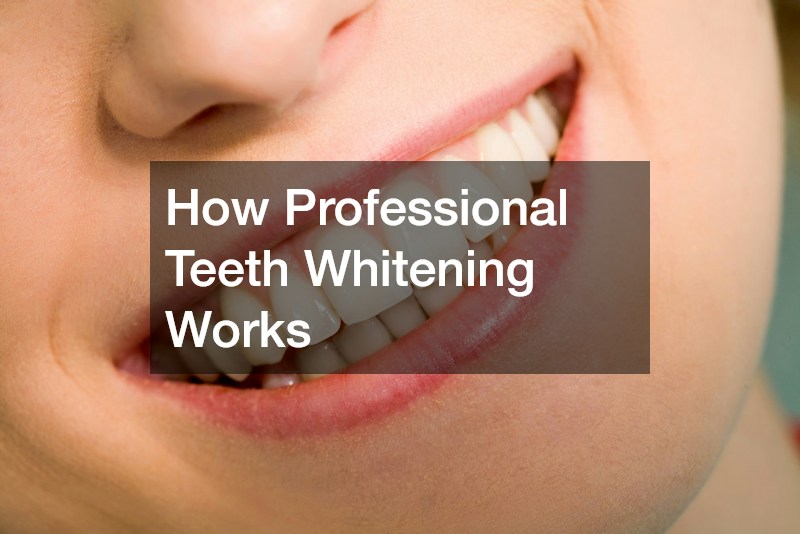

A bright, confident smile can make a noticeable difference in how people feel about their appearance. Over time, however, teeth can become stained or discolored due to coffee, tea, red wine, tobacco, certain foods, aging, and other factors. While many products are available for improving the appearance of a smile, professional treatments use carefully controlled techniques designed to address surface and deeper discoloration. Understanding how the process works can help patients know what to expect before scheduling an appointment.
What Causes Teeth to Become Discolored?
Teeth naturally change color as people age. The outer layer, called enamel, can gradually become thinner, allowing the naturally darker dentin underneath to become more visible.
In addition, pigments from foods and beverages can accumulate on the enamel over time.
Some stains are primarily located on the surface of the teeth. These are often called extrinsic stains and may be associated with beverages such as coffee, tea, cola, and red wine. Other discoloration can occur within the tooth itself. These deeper changes may be associated with aging, certain medications, trauma, or natural variations in tooth color.
Because different types of discoloration respond differently to treatment, a dental professional typically evaluates the teeth before recommending a whitening approach.
The Science Behind Professional Whitening
Professional teeth whitening generally relies on bleaching agents that contain compounds such as hydrogen peroxide or carbamide peroxide. These substances can penetrate the enamel and dentin, where they interact with the molecules responsible for discoloration.
The whitening agents break down stain molecules into smaller components. As these molecules become less concentrated and reflect light differently, the teeth appear lighter. The process does not simply remove material from the enamel; instead, it changes the chemical structure of many of the compounds responsible for the darker appearance.
The concentration and application time of the whitening agent can vary depending on the treatment method and the patient’s needs. Dental professionals use these factors to provide a controlled treatment while reducing the likelihood of unnecessary irritation.
What Happens During an In-Office Treatment?
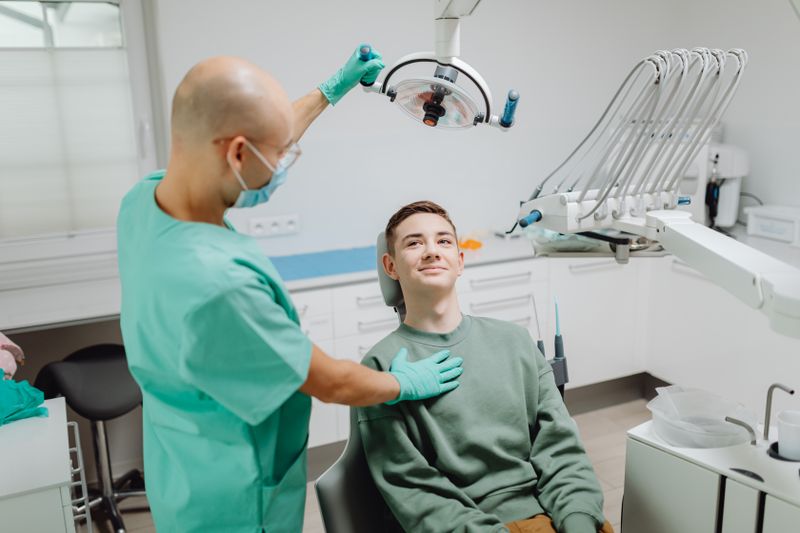
A professional whitening appointment usually begins with an examination of the teeth and gums. The dentist or dental professional may discuss the patient’s dental history, existing restorations, and desired results. This assessment is important because whitening treatments affect natural tooth structure but generally do not change the color of materials such as crowns, veneers, or certain fillings.
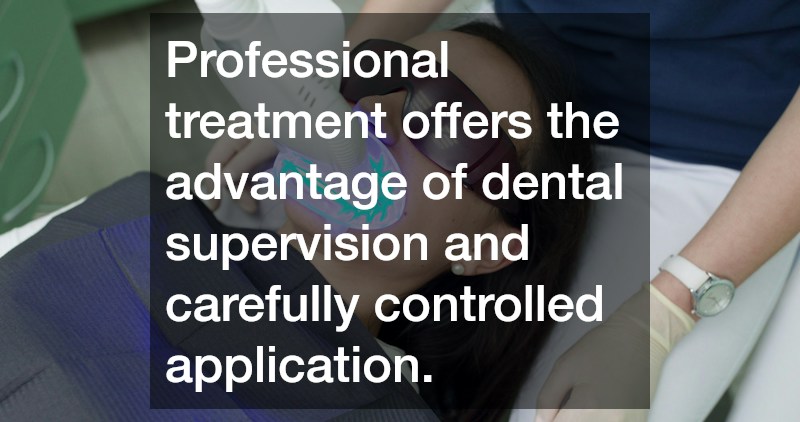
Before applying the whitening product, the dental professional protects the gums and surrounding soft tissues. The whitening gel is then applied to the teeth according to the treatment protocol. In some systems, a specialized light may be used as part of the process, although the effectiveness and role of light activation depend on the specific product and system being used.
The gel may remain on the teeth for a set period and can be reapplied during the appointment. The exact duration depends on the treatment and the condition of the patient’s teeth. Once the procedure is complete, the professional removes the whitening material and checks the teeth and surrounding tissues.
Is Professional Whitening Safe?
When performed or supervised by a dental professional, whitening is generally considered a safe cosmetic procedure for appropriate patients. However, temporary tooth sensitivity and gum irritation can occur. Sensitivity may be more noticeable when consuming hot, cold, sweet, or acidic foods and drinks.
A dental professional can help reduce potential discomfort by evaluating existing sensitivity, cavities, gum problems, or other oral health concerns before treatment. Following post-treatment instructions can also help patients manage temporary sensitivity.
It is important to remember that whitening is not suitable for every situation. Teeth with significant decay, untreated gum disease, or other dental problems may require treatment before cosmetic whitening is considered.
How Long Do the Results Last?
The longevity of whitening results varies from person to person. Eating and drinking habits, oral hygiene, tobacco use, age, and the natural tendency of teeth to develop stains can all influence how long a brighter appearance lasts.
Maintaining good oral hygiene is an important part of preserving results. Regular brushing, flossing, and professional dental cleanings can help reduce the buildup of new surface stains. Limiting foods and beverages that commonly cause discoloration may also help maintain a brighter smile.
Some people choose periodic touch-up treatments under the guidance of their dental professional. The appropriate schedule depends on the individual’s teeth and the whitening system used.
Professional vs. At-Home Options
Professional treatment offers the advantage of dental supervision and carefully controlled application. At-home products, including whitening strips, trays, and toothpastes, can also provide benefits, but their formulas and concentrations vary considerably.
A dentist can help determine which option is appropriate based on the patient’s oral health, the type of discoloration present, and the desired outcome. Professional treatment may also be preferable when someone wants a more closely monitored cosmetic procedure.
Ultimately, the goal of teeth whitening is to improve the appearance of natural teeth while maintaining good oral health. A dental consultation provides an opportunity to identify the cause of discoloration, discuss realistic expectations, and choose an appropriate treatment method. With proper evaluation and care, professional whitening can be an effective way to achieve a noticeably brighter smile.