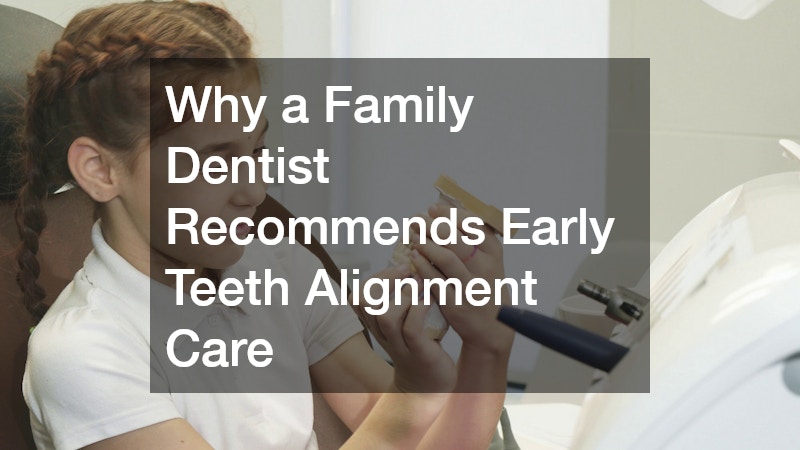

A child’s smile changes rapidly during the early years of growth and development. While many parents focus on brushing habits and cavity prevention, the positioning of the teeth and jaw can be just as important for long-term oral health. Addressing alignment concerns early can help children avoid more serious complications later in life, including speech difficulties, chewing problems, jaw discomfort, and confidence issues. Early guidance can also make future treatment more manageable and less invasive as children continue to grow. Many alignment concerns begin subtly and may not become obvious until permanent teeth start erupting. Understanding how early care supports healthy development can help parents make more informed decisions about their child’s long-term oral health.
Many dental professionals encourage parents to monitor the development of their child’s smile before all permanent teeth erupt. Early evaluations allow providers to identify concerns while the jaw is still developing, making treatment more efficient and often less invasive. Taking proactive steps during childhood can improve oral function, simplify future treatment, and help children feel more confident as they grow.
This guide explains the benefits of early intervention, what warning signs parents should watch for, and how modern treatment options can support healthier smiles for years to come.
Recognizing the Early Warning Signs
Parents are often the first to notice small changes in their child’s smile. Catching these concerns early can make treatment easier and prevent more severe complications later. Paying attention to subtle symptoms during childhood can help families avoid more complicated dental concerns as permanent teeth begin to emerge. Even small bite irregularities can affect how the teeth and jaw develop over time. Early awareness gives parents the opportunity to seek professional guidance before issues progress into larger orthodontic concerns.
Problems involving teeth alignment may appear gradually over time. Some children experience obvious crowding, while others develop bite issues that are harder to recognize without a professional evaluation. An experienced orthodontist can assess how the jaw and teeth are developing and determine whether early intervention is beneficial.
Common signs that may indicate a developing issue include:
- Teeth that overlap or appear crowded
- Large gaps between teeth
- Difficulty biting or chewing food properly
- Frequent mouth breathing
- Jaw clicking or shifting
- Early or delayed loss of baby teeth
- Speech difficulties involving certain sounds
- Teeth that do not meet evenly when biting down
Some habits can also affect jaw growth and tooth positioning during childhood. These include:
- Thumb sucking beyond toddler years
- Prolonged pacifier use
- Tongue thrusting
- Nail biting
- Chronic mouth breathing caused by allergies or congestion
When these habits continue for too long, they can influence jaw structure and contribute to bite irregularities.
Dental professionals commonly recommend an initial orthodontic evaluation around age seven. At this stage, children still have a mix of baby and permanent teeth, making it easier to identify developmental concerns before they become severe.
During an evaluation, parents can expect:
- Digital imaging or X-rays
- Bite analysis
- Jaw growth assessment
- Examination of tooth spacing
- Recommendations for monitoring or treatment
In some cases, immediate treatment may not be necessary. Instead, the provider may simply monitor growth over time to ensure the smile develops properly.
Building Healthy Oral Habits During Childhood
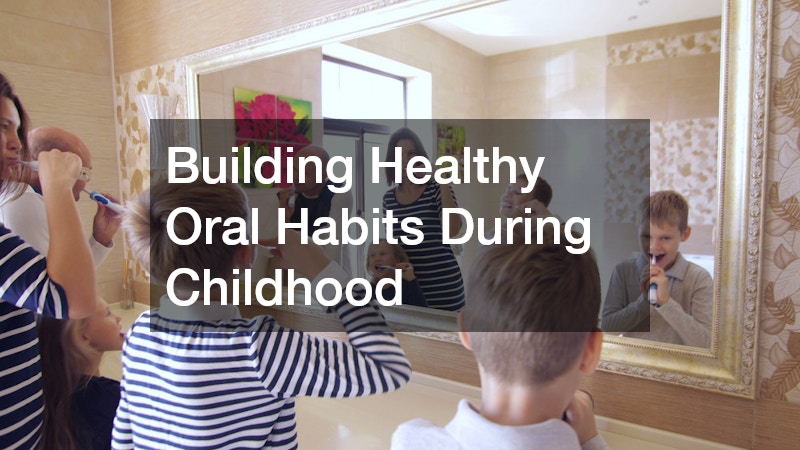
Preventive care plays a major role in long-term oral health. A trusted family dentist can monitor a child’s development while helping parents establish healthy daily habits that support proper growth. Consistent care during childhood also helps children become more comfortable with dental visits and creates positive habits that last into adulthood. Children who learn proper hygiene habits early are often more likely to maintain healthy routines as they grow older. Building these habits during childhood can also reduce the risk of cavities, gum issues, and future dental complications.
Routine visits are important because children’s mouths change quickly. Small issues that seem harmless at first can worsen if left untreated. Consistent evaluations allow dental teams to track development and intervene when necessary.
Many pediatric dental services focus on both prevention and education. Teaching children proper oral hygiene early creates habits that often last into adulthood.
Parents can help support healthy development by encouraging:
- Brushing twice daily with fluoride toothpaste
- Flossing once teeth begin touching
- Limiting sugary snacks and beverages
- Drinking more water throughout the day
- Wearing mouthguards during sports activities
Misaligned teeth can make cleaning more difficult, increasing the risk of plaque buildup and gum irritation. Crowded areas often trap food particles, making brushing and flossing less effective. Over time, this may lead to cavities, inflammation, or bad breath.
Routine preventive treatments can help protect developing smiles, including:
Fluoride Treatments
Fluoride strengthens enamel and helps reduce cavity risk during childhood.
Dental Sealants
Sealants provide a protective barrier over molars where decay commonly develops.
Space Maintainers
If a baby tooth is lost too early, space maintainers help preserve room for permanent teeth.
Professional Cleanings
Regular cleanings remove plaque buildup that children may miss during brushing.
Parents should also pay attention to diet. Sticky candies, sugary drinks, and frequent snacking can increase the risk of decay and negatively impact oral health during critical growth periods.
Helpful nutrition tips include:
- Choosing crunchy fruits and vegetables
- Limiting sports drinks and soda
- Encouraging calcium-rich foods
- Reducing processed snacks high in sugar
Creating a positive experience around dental visits can also reduce anxiety and encourage children to become more engaged in their own oral health.
Why Early Intervention Often Leads to Better Outcomes
Addressing alignment concerns during childhood can prevent more complicated problems in the future. Since children’s jaws are still developing, treatment is often more efficient and adaptable during these years. Early evaluations can also reduce the likelihood of extensive corrective procedures during the teenage or adult years. Starting treatment at the right stage of development often allows providers to guide jaw growth more effectively. This proactive approach may also shorten treatment timelines and improve long-term stability.
Traditional braces are commonly used to guide teeth into healthier positions while correcting bite issues and crowding. In some cases, early treatment may reduce the need for more extensive procedures later.
An experienced provider offering orthodontists service may recommend intervention for children experiencing:
- Severe crowding
- Crossbites
- Underbites
- Overbites
- Jaw growth irregularities
- Speech-related bite problems
Correcting these issues early may help:
- Improve chewing function
- Reduce jaw strain
- Prevent uneven tooth wear
- Lower the risk of tooth damage
- Create space for permanent teeth
Without treatment, some concerns can become significantly more difficult to correct during adulthood. Older patients may require longer treatment times, tooth extractions, or even jaw surgery in severe cases.
Early treatment also helps guide jaw growth more effectively because the bones are still developing. This flexibility allows providers to influence the position of teeth and jaws before growth is complete.
Parents often wonder what early treatment involves. Depending on the child’s needs, the process may include:
- Palatal expanders
- Partial braces
- Retainers
- Habit-correction appliances
- Monitoring appointments
Not every child needs immediate treatment. Some benefit from a “watch and wait” approach where providers monitor growth before beginning active care.
Parents can help children adjust to treatment by:
- Explaining the benefits in simple terms
- Offering encouragement throughout the process
- Preparing soft foods after adjustments
- Helping children maintain oral hygiene routines
Children who feel supported are often more cooperative and confident during treatment.
Understanding Modern Options for Straighter Smiles
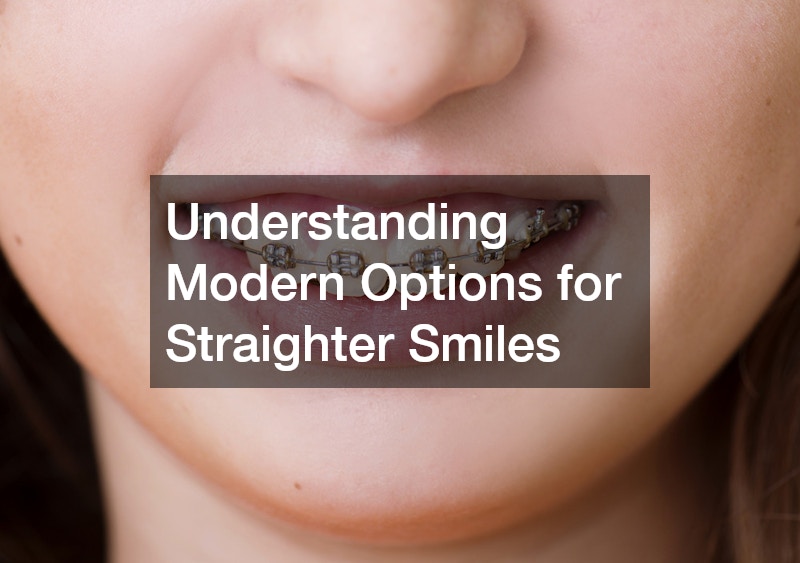
Today’s treatment options are more comfortable and discreet than many parents remember from their own childhood experiences. Families now have access to multiple solutions depending on the complexity of the case and the child’s age. Advances in dental technology have also improved treatment accuracy, comfort, and overall patient experience. Modern appliances are designed to fit more comfortably while allowing children and teens to continue their daily routines with fewer disruptions. Parents also benefit from having more treatment choices that align with their child’s lifestyle, needs, and preferences.
Many patients still benefit from traditional braces because they are highly effective for correcting complex alignment concerns. Modern brackets are smaller, more comfortable, and easier to maintain than older versions.
Some older children and teens may qualify for clear aligners provided by invisalign dentists. These removable trays gradually move teeth into position while offering a less noticeable appearance.
Families visiting an orthodontic office often compare both options before choosing the best solution.
Traditional Braces May Be Best For:
- Severe crowding
- Bite correction
- Significant tooth rotation
- Younger children needing precise movement
Clear Aligners May Be Ideal For:
- Mild to moderate alignment concerns
- Responsible teens who follow instructions carefully
- Patients concerned about appearance
- Active children involved in sports or music activities
Clear aligners offer several benefits, including:
- Easier brushing and flossing
- No food restrictions
- Fewer emergency visits for broken brackets
- More discreet appearance
However, they must be worn consistently to remain effective. Patients who frequently remove aligners may experience slower progress or incomplete results.
When selecting a provider, parents should look for a practice that offers:
- Experience treating children and teens
- Modern imaging technology
- Flexible financing options
- Clear communication with parents
- Comfortable and welcoming environments
Financial concerns are another important consideration for many families. Orthodontic treatment can be a significant investment, but many practices now offer payment plans and financing options to make care more accessible.
Parents should also check whether insurance benefits cover portions of treatment costs.
Emotional and Cosmetic Benefits of Early Care
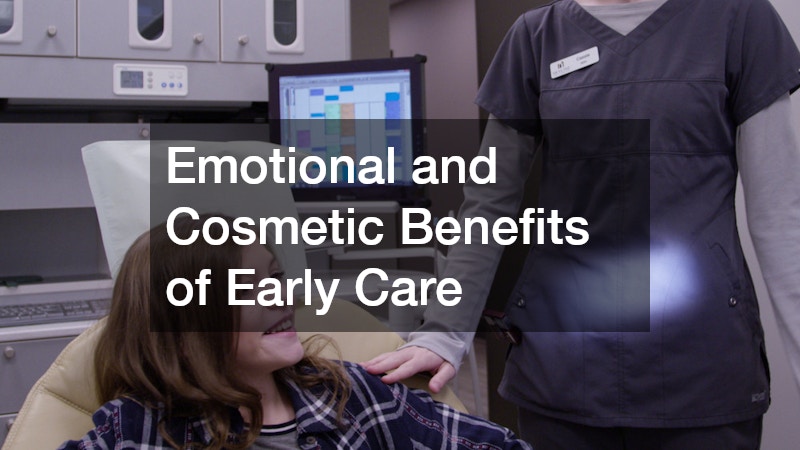
Straightening teeth is not only about appearance. Properly aligned teeth can positively impact confidence, social interactions, speech, and overall emotional well-being. Children who feel confident about their smiles are often more willing to participate in school, activities, and social situations without hesitation. Emotional confidence during childhood and adolescence can influence social development in meaningful ways. Feeling comfortable smiling and speaking openly often helps children build stronger self-esteem as they mature.
Children and teens often become more self-conscious as they grow older. Crooked teeth or noticeable bite problems may affect their willingness to smile, speak confidently, or participate socially.
A cosmetic dentist may work alongside other providers to help improve both the appearance and function of a patient’s smile. Early care can create a healthier foundation that supports long-term aesthetics and oral stability.
Children with properly aligned teeth often experience:
- Improved self-esteem
- Greater confidence in school and social settings
- Easier speech development
- Better oral hygiene habits
- Reduced embarrassment about smiling
In addition to cosmetic improvements, alignment treatment may help support healthier jaw development and facial balance.
Many dental experts emphasize that oral health and confidence are closely connected. When children feel good about their smiles, they are often more motivated to maintain healthy habits.
Parents can help preserve treatment results by encouraging long-term care habits such as:
Wearing Retainers Consistently
Retainers help maintain results after active treatment ends.
Maintaining Excellent Oral Hygiene
Consistent brushing and flossing protect teeth and gums during and after treatment.
Scheduling Routine Checkups
Regular dental visits allow providers to monitor stability and identify any developing concerns early.
Protecting Teeth During Activities
Mouthguards can help prevent injuries during sports and recreational activities.
Lifestyle habits also influence long-term results. Nail biting, chewing ice, and using teeth to open objects can place unnecessary stress on teeth and dental appliances.
Children who understand the importance of protecting their smiles are more likely to maintain the results they worked hard to achieve.
Supporting Lifelong Oral Health Through Early Care
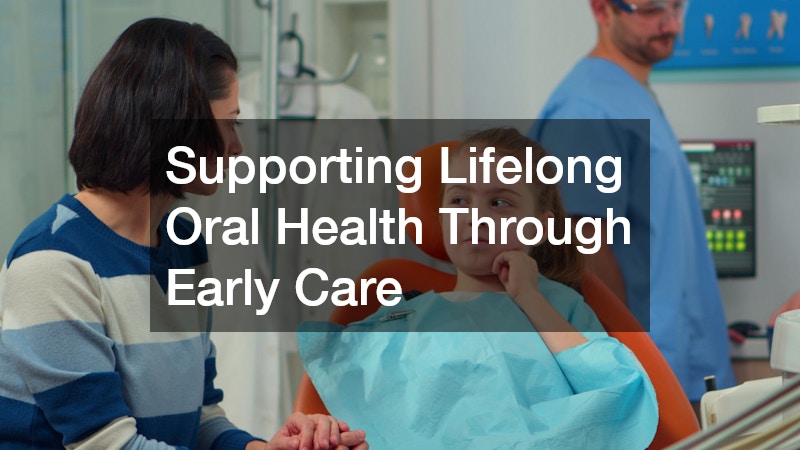
Supporting healthy smile development during childhood can provide lifelong benefits for both oral health and self-confidence. Early evaluations allow dental professionals to identify concerns before they become more severe, giving children the opportunity to receive care during critical growth stages. Taking proactive steps early can also help families avoid more complicated and costly treatments later in life. Consistent monitoring and timely intervention often lead to healthier outcomes that continue into adulthood. When parents prioritize early care, children are more likely to develop strong oral habits and greater confidence in their smiles over time.
By paying attention to early warning signs, encouraging healthy habits, and seeking professional guidance when needed, parents can help children avoid more complex dental problems later in life. Modern treatment options offer comfortable and effective solutions that improve function, appearance, and overall quality of life.
Taking action early can make the journey toward a healthier smile simpler, more effective, and more rewarding for children as they grow into adulthood.