
Understanding the Most Common Dental Procedures and Their Benefits
Navigating the world of oral healthcare can often feel like learning a second language. Between routine cleanings and complex restorative surgeries, the sheer variety of available treatments is vast. However, understanding these procedures is the first step toward taking control of your long-term wellness. A healthy mouth is not just about a bright smile; it is a vital component of your systemic health, influencing everything from cardiovascular function to digestive efficiency.
In recent years, the field of dentistry has undergone a massive transformation. Advanced imaging, more comfortable anesthesia, and biocompatible materials have turned once-daunting appointments into streamlined, efficient experiences. This guide is designed to peel back the curtain on common dental treatments, providing you with the depth of knowledge needed to discuss your options confidently with your provider. Whether you are looking to replace missing teeth, straighten a crooked bite, or manage a sudden injury, there is a solution tailored to your specific biological needs and lifestyle goals.

Laying the Foundation for Lifelong Oral Health
The journey toward a perfect smile begins much earlier than many realize. Specialized care during childhood is critical because primary teeth serve as the placeholders for adult structures. If a child’s mouth is not properly managed, it can lead to crowding, speech impediments, and even structural jaw issues later in life. Developing a “dental home” early on helps reduce “white coat syndrome” and ensures that a child views oral hygiene as a positive, routine part of life.
When seeking care for your youngest family members, it is important to find a provider who understands the unique physiological and emotional needs of children. A pediatric dentist is trained specifically to care for the smaller oral cavities and developing bone structures of infants, children, and teenagers. They focus on preventative care, such as sealants and fluoride treatments, to harden enamel against decay.
Sometimes, despite the best preventative efforts, a primary tooth may become so damaged by decay or trauma that it cannot be saved. In these instances, a pediatric tooth extraction might be necessary to prevent an infection from spreading to the underlying permanent tooth bud. Maintaining the space after such a procedure is vital, often involving space maintainers to ensure the adult teeth have a clear path to erupt correctly.
Tip for Parents:
Schedule the first visit by the first birthday or when the first tooth appears.
-
- Home Care:
- Use a smear of toothpaste the size of a grain of rice for children under three to prevent fluorosis.
- Home Care:
-
- Positive Reinforcement:
- Use “happy visits” where no work is done to build trust between the child and the clinical staff.
- Positive Reinforcement:
Addressing Urgent Concerns and Necessary Removals
Dental issues don’t always wait for a convenient time to arise. Sudden pain, a fractured tooth from a sports injury, or a swelling that appears overnight requires immediate professional intervention. Knowing who to call when a crisis strikes can be the difference between saving a tooth and losing it entirely. Most general practices reserve blocks of time in their daily schedules specifically to accommodate patients in distress.
If you find yourself dealing with intense throbbing, a loose filling, or a broken crown, you should contact an emergency dentist right away. These professionals are equipped to provide rapid pain relief and stabilize the mouth to prevent further complications. Their primary goal is always tooth preservation, using methods like root canals or bonding to repair damage.
However, there are circumstances where a tooth is beyond repair—perhaps due to a deep vertical fracture or advanced periodontal disease. In these cases, tooth extractions are performed as a therapeutic measure. Removing a compromised tooth eliminates the source of infection and paves the way for a healthier restorative solution, such as a bridge or a prosthetic root. Modern techniques ensure these procedures are quick and involve minimal discomfort through localized numbing and sedation options.
-
- Emergency Kit:
- Keep a small container of dental wax and over-the-counter pain relievers specifically for oral issues.
- Emergency Kit:
-
- Knocked-out Tooth:
- If a tooth is knocked out, hold it by the crown (not the root), rinse it gently, and try to place it back in the socket or keep it in a glass of milk while heading to the clinic.
- Knocked-out Tooth:
-
- Aftercare:
- Avoid using a straw for 24 hours after a removal to prevent dry socket, a painful condition where the blood clot is dislodged.
- Aftercare:
Enhancing Aesthetics and Structural Integrity
Modern dentistry is as much an art as it is a science. While health and function are the priorities, the way a person feels about their smile can significantly impact their self-esteem and social interactions. Advanced materials now allow for repairs that are virtually indistinguishable from natural tooth structure, blending seamlessly with the surrounding teeth.
Patients looking to improve the color, shape, or alignment of their teeth often consult a cosmetic dentist. These professionals look at the “smile line”—the way the teeth interact with the lips and facial symmetry—to design a personalized treatment plan. This might include chemical whitening, porcelain veneers, or composite bonding to close gaps and fix minor chips.
One of the most versatile tools in this category is the use of dental crowns. These are custom-made “caps” that cover the entire visible portion of a tooth. They are used not only for aesthetic purposes—to cover a severely discolored or misshapen tooth—but also to provide structural reinforcement to a tooth that has undergone a root canal or has a very large filling that is at risk of fracturing.
-
- Material Choices:
- Ask about zirconia or e.max crowns, which offer incredible strength and lifelike translucency.
- Material Choices:
-
- Digital Scans:
- Many modern offices use digital impressions rather than “goopy” molds, resulting in a much more comfortable experience and a more precise fit.
- Digital Scans:
-
- Longevity:
- With proper flossing and regular checkups, high-quality porcelain work can last 15 years or longer.
- Longevity:
Achieving Alignment Through Subtle Innovation
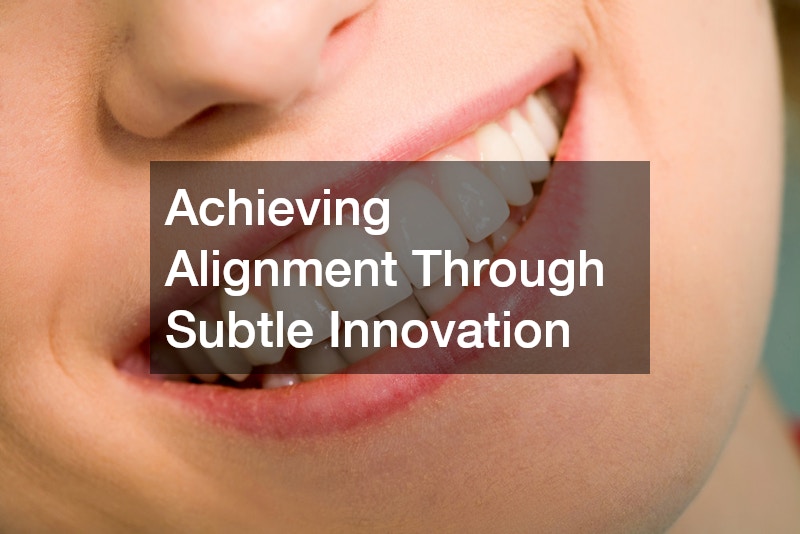
Orthodontics has moved far beyond the “metal mouth” era of the past. While traditional braces are still highly effective for complex bite realignments, many adults and teenagers prefer options that do not interfere with their professional or social appearance. Correcting a malocclusion (a “bad bite”) is not just about looks; straight teeth are significantly easier to clean, reducing the risk of gum disease and localized decay.
A popular modern choice for those seeking a discreet transformation is Invisalign. This system uses a series of clear, medical-grade plastic trays that are custom-molded to the patient’s teeth. Each set of trays is worn for about one to two weeks, gradually shifting the teeth into the desired position based on a precise digital map created by the doctor.
These clear aligners are removable, which offers a massive advantage over traditional brackets. Patients can eat whatever they like without worrying about breaking a wire, and they can brush and floss normally. This leads to better periodontal health throughout the duration of the treatment. However, success depends heavily on patient compliance, as the trays must be worn for at least 22 hours a day to stay on schedule.
-
- Cleaning Tips:
- Only clean your trays with lukewarm water and a gentle soap; hot water can warp the plastic.
- Cleaning Tips:
-
- Speech Transition:
- Expect a slight lisp for the first 24 to 48 hours as your tongue adjusts to the presence of the aligner.
- Speech Transition:
-
- Retention:
- Regardless of the method used to straighten teeth, wearing a retainer at night after treatment is finished is the only way to prevent “relapse” or shifting.
- Retention:
Permanent Replacement for Single or Multiple Teeth
Losing a permanent tooth can be a traumatic experience, affecting your ability to chew comfortably and speak clearly. Furthermore, when a tooth is missing, the underlying jawbone begins to resorb or shrink because it is no longer being stimulated by the tooth root. Traditional dentures and bridges can replace the visible part of the tooth, but they do nothing to stop this bone loss.
The gold standard for tooth replacement today is the use of dental implants. These are small titanium posts that are surgically placed into the jawbone, where they fuse with the bone through a process called osseointegration. Once healed, the implant acts as a sturdy anchor for a lifelike crown. Because they are anchored in the bone, they feel and function exactly like a natural tooth, allowing you to eat crunchy or chewy foods with total confidence.
For patients who have lost most or all of their teeth in an upper or lower arch, full mouth dental implants offer a life-changing alternative to removable dentures. This approach often involves placing four to six strategically positioned implants to support a full, fixed bridge of teeth. Unlike “flippers” or traditional dentures, these do not slip or click, and they do not require messy adhesives, providing a permanent and stable foundation for a complete smile makeover.
-
- Success Rates:
- Titanium implants have a success rate of over 95% when placed in healthy bone.
- Success Rates:
-
- Bone Grafting:
- If you have been missing a tooth for a long time, your dentist might suggest a minor bone graft to ensure there is enough volume to support the implant.
- Bone Grafting:
-
- Systemic Health:
- Implants are often a great choice for patients who want to maintain their facial structure, as they prevent the “sunken” look often associated with long-term tooth loss.
- Systemic Health:
The Importance of Maintenance and Lifestyle Choices
Even the most advanced dental work requires a foundation of good hygiene to remain successful. Think of a dental procedure as an investment in your health; the daily maintenance is the “insurance” that protects that investment. Whether you have natural teeth, porcelain crowns, or titanium implants, the bacteria in your mouth are constantly looking for a place to colonize.
-
- The 2-Minute Rule:
- Brush twice a day for two full minutes. Most people stop after about 45 seconds, leaving significant plaque behind.
- The 2-Minute Rule:
-
- Interdental Cleaning:
- If you aren’t flossing or using an interdental brush, you are missing nearly 35% of the surfaces of your teeth.
- Interdental Cleaning:
-
- Dietary Awareness:
- High-acid foods like soda and citrus can erode enamel and weaken the bond of dental adhesives. Rinse with water immediately after consuming acidic items.
- Dietary Awareness:
Professional cleanings are equally vital. A dental hygienist can remove tartar (calculus) that has hardened onto the teeth—something that a regular toothbrush cannot do. These visits also allow the doctor to perform an oral cancer screening and check for early signs of gum disease, which is often painless until it reaches an advanced stage.

Maximizing the Lifespan of Restorative Work
If you have undergone a major procedure, the first few weeks of recovery are the most critical. Your body needs time to heal tissues and integrate new materials. Following post-operative instructions is not just about comfort; it is about ensuring the procedure does not fail.
-
- Soft Food Phase:
- After any surgery or major placement, stick to soft foods like yogurt, mashed potatoes, and protein shakes to avoid putting excessive pressure on the new site.
- Soft Food Phase:
-
- Hydration:
- Drink plenty of water to keep the mouth clean and maintain saliva production, which is your body’s natural defense against decay.
- Hydration:
-
- Avoid Tobacco:
- Smoking is one of the leading causes of failure for restorative work. It restricts blood flow to the gums, slowing down the healing process and increasing the risk of infection.
- Avoid Tobacco:
Monitoring your “bite” is also essential. If a new crown or filling feels “high” when you bite down, it can cause significant pain and even damage the tooth over time. A quick adjustment at the office can usually resolve this in minutes, so never hesitate to speak up if something feels slightly off.
Technology and the Future of Patient Comfort
One of the reasons many people avoid the dentist is a memory of old-fashioned drills and uncomfortable procedures. However, the modern clinic is a high-tech environment designed for patient ease. Laser dentistry, for example, can often perform fillings or gum contouring without the need for a traditional drill, resulting in less vibration and often less need for anesthesia.
3D Cone Beam Imaging (CBCT) allows doctors to see a three-dimensional view of your jaw, sinuses, and nerve pathways. This is particularly helpful when planning for surgeries, as it allows for “guided surgery” where the doctor knows the exact angle and depth for a placement before the procedure even begins. This level of precision leads to smaller incisions, faster healing times, and more predictable outcomes.
Furthermore, sedation dentistry has made it possible for patients with severe anxiety to receive the care they need. From nitrous oxide (laughing gas) to oral conscious sedation, there are various levels of relaxation available. This ensures that a fear of the chair does not stand in the way of a healthy life.
Understanding the Financial Aspect of Care
It is no secret that dental work can be an investment. However, viewing these costs through the lens of long-term value is helpful. A small filling today is significantly less expensive than a root canal and crown next year. Preventive care is always the most cost-effective “procedure” available.
Many offices offer flexible payment plans or work with third-party financing companies to break larger treatment plans into manageable monthly installments. Additionally, many dental insurance plans cover preventive services at 100%, meaning there is often no out-of-pocket cost for exams and cleanings that help prevent major issues from developing in the first place.
When discussing a treatment plan, ask for a priority list. If you need multiple procedures, your dentist can help you determine which ones are urgent (to stop pain or infection) and which ones can be phased out over several months or even years. This “phased treatment” approach makes high-quality care accessible for almost any budget.

Empowering Your Next Step Toward Optimal Wellness
Choosing to prioritize your oral health is one of the most significant decisions you can make for your body. The procedures discussed in this guide are not just about fixing problems; they are about restoring your ability to eat, speak, and smile without hesitation. By understanding the roles of different specialists and the mechanics behind modern treatments, you are no longer a passive bystander in your healthcare—you are an active participant.
The key to a successful experience is open communication with your clinical team. Do not be afraid to ask questions about the materials being used, the expected recovery time, or the long-term prognosis of a treatment. A great dental provider will welcome these questions, as an informed patient is often a more compliant and successful patient. Whether you are starting a journey toward a straighter smile or simply maintaining the health you already have, your commitment to your mouth will pay dividends for decades to come.
Take a moment to evaluate your current oral health goals. Is there a nagging ache you’ve been ignoring? Or perhaps a gap in your smile that you’ve wanted to address for years? There has never been a better time to explore the possibilities of modern dentistry. Your path to a functional, beautiful, and healthy smile is well within reach, supported by a world of innovation and a dedicated team of professionals ready to help you thrive.